Milford Top Hardwood Refinishing for Lasting Floor Results
Milford Top Hardwood Refinishing for Lasting Floor Results
Blog Article
Superior Hardwood Refinishing Services for a Beautiful, Enduring Shine
Premium hardwood floor restoration solutions offer an effective option for enhancing the aesthetic and functional qualities of wood floors. These services utilize high-quality materials and skilled techniques, ensuring a finish that is both attractive and long-lasting. Homeowners often underestimate the impact of expert floor restoration on their property value. Understanding the nuances of this process could reveal significant advantages, particularly when considering the long-term benefits and the pitfalls of DIY approaches. What should one know before proceeding?
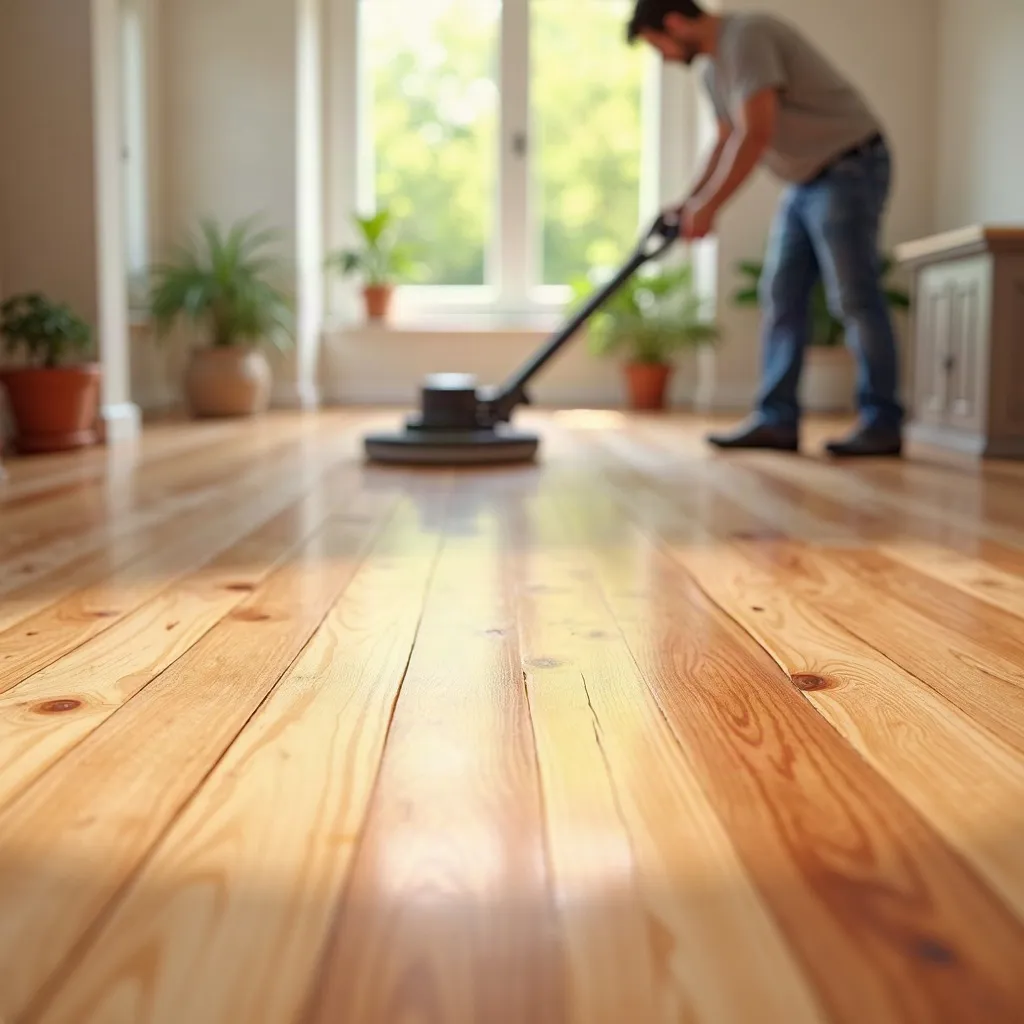
Think about Why Professional Hardwood Restoration Pays Off
The charm of beautifully restored hardwood floors often depends on the skill of expert floor restoration specialists. Choosing such services not only enhances the visual beauty of a home but also significantly prolongs the durability of the flooring. Professionals possess expert understanding and tools that guarantee a meticulous process, tackling imperfections and wear successfully.
Additionally, their proficiency provides individualized strategies that address the distinct requirements of assorted wood types and finishes. This careful attention can reduce additional damage and costly restoration down the road.
In addition, a skillfully refinished floor can improve property value, making it a sensible investment for homeowners. The time and effort saved by engaging specialists further substantiate the cost, as they complete the job efficiently and safely. Ultimately, expert floor restoration revitalizes not just the floors, but the entire feel of a home environment, making it a worthy consideration.
How Hardwood Refinishing Operates
Hardwood refinishing involves a methodical approach that begins with a comprehensive preparation and assessment process. This first stage guarantees that any existing damage is identified before the sanding and finishing techniques are applied. Grasping these steps is essential for achieving the best results in restoring the beauty of hardwood floors.
The Planning and Evaluation Procedure
Assessing the condition of the hardwood floor is vital for a successful refinishing project. The process begins with a complete inspection to spot any damage like scratches, dents, or water stains. Specialists usually examine for evidence of wear, moisture damage, and overall flooring integrity. After being assessed, the previously applied finish type is recorded, as it determines the refinishing method. Measurements are taken to calculate the square footage, assisting material selection and cost calculation. Furthermore, any repairs needed, such as filling gaps or replacing damaged boards, are noted. This comprehensive evaluation lays the groundwork for a customized refinishing plan, ensuring the final result matches the homeowner's expectations and improves the floor's durability.
Grinding and Finishing Tasks
Sanding conditions the hardwood surface by removing old finishes and blemishes, exposing the fresh wood beneath. This essential step requires using multiple grits of sandpaper, commencing with coarse grit to remove deep scratches and worn areas. Gradually finer grits refine the surface, ensuring a smooth finish that improves the wood's natural beauty. After sanding, dust and debris are thoroughly eliminated to stop imperfections in the final coating. Afterward, finishing techniques, such as staining or sealing, are used to safeguard the wood and improve its look. Professional-grade finishes provide durability and a lasting shine, ensuring the hardwood not only seems beautiful but also resists daily wear. Proper sanding and finishing techniques are crucial for attaining superior results in hardwood refinishing.
Main Benefits of Experienced Hardwood Refinishing Services
Revitalizing weary, weathered floors into magnificent showcases is one of the most compelling reasons to ponder professional wood restoration services. These services not only reclaim the intrinsic beauty of hardwood but also strengthen the overall aesthetics of a home. Professional refinishing can greatly increase property value, making it an attractive investment for homeowners.
Additionally, specialists apply superior materials and state-of-the-art techniques, providing a flawless outcome that DIY methods often are unable to deliver. As a result, improved resilience, allowing surfaces to withstand deterioration with the passage of time, which proves particularly valuable in congested locations.
Additionally, professional refinishing decreases dust and debris, establishing a cleaner environment during the process. With a range of finishes available, homeowners can customize their floors to match their style preferences. Ultimately, professional refinishing offers a blend of beauty, longevity, and increased home value, making it a worthwhile consideration for any hardwood floor owner.
Steps to Prepare Your Home for Hardwood Restoration
Preparing a home for hardwood refinishing is essential to make certain a smooth and efficient process. First, homeowners should remove all fixtures, rugs, and possessions from the area to create a clear workspace. This not only preserves belongings from dust and debris but also allows easy access for the refinishing team. Next, it is prudent to dust the floors thoroughly, eradicating dust and dirt that may compromise the refinishing process.
Homeowners should also consider keeping animals safe in a separate area to stop them from straying into the work zone and assure their safety. Additionally, it is wise to communicate any specific concerns or preferences with the refinishing professionals in advance. Finally, ensure proper analysis ventilation in the home, as refinishing materials can emit strong odors. By adhering to these guidelines, homeowners can enable a more efficient and effective hardwood refinishing experience.
Usual Errors to Sidestep When Refinishing Hardwood Floors
When refinishing wood flooring, several common mistakes can weaken the final product. Avoiding key preparatory work, using faulty sanding practices, and neglecting proper finishing can lead to disappointing results. Awareness of these drawbacks is vital for securing a expert finish.
Bypassing Preparation Steps
incomplete inspection of the surface's state can also lead to overlooking critical fixes. Consequently, meticulous readiness is necessary to ensure the complete groundwork is crucial to maintain the longevity and visual appeal of refinished hardwood floors, ultimately enhancing their aesthetic quality and investment value in any location.
Flawed Finishing Practices
Inadequate sanding practices can drastically compromise the quality of hardwood floor refinishing. One standard error is applying uneven pressure while sanding, which can create dips or uneven surfaces. In addition, using the wrong grit sandpaper can result in excessive removal of wood, causing damage. Failing to sand in the direction of the grain may also leave noticeable marks, reducing the floor's overall appearance. Insufficient clearing of debris between passes can enable particles to damage the finish, compromising the final result. Finally, neglecting to shift properly through various grit levels can result in an uneven and unprofessional look. Avoiding these errors is vital for creating a smooth, perfect finish that improves the natural beauty of hardwood floors.
Dismissing Quality End Work
Proper finishing is as important as the sanding process in achieving a high-quality hardwood floor refinishing. Many homeowners overlook the significance of using the correct finishes and application techniques. Neglecting this step can lead to uneven surfaces, poor durability, and lackluster appearance. Common mistakes include applying too few coats, using incompatible products, or failing to allow adequate drying time between layers. Additionally, inadequate preparation, such as not cleaning the floor thoroughly, can compromise the finish's adherence and longevity. Professionals recommend selecting premium finishes tailored to the specific type of wood, ensuring a long-lasting shine. By prioritizing proper finishing, homeowners can enhance the beauty and lifespan of their hardwood floors, avoiding the pitfalls of subpar refinishing.
Looking After Your Newly Finished Hardwood Floors
Keeping newly finished hardwood floors demands consistent care to preserve their appearance and longevity. Regular sweeping or cleaning is crucial to eliminate dust and debris that can damage the surface. Using a soft-bristle broom or a vacuum made for hardwood helps prevent damage.
Mopping has to be done using a moist microfiber cloth along with a pH-balanced cleaner intended for hardwood. Too much moisture can cause warping, so it’s essential to avoid soaking the floors.
In addition, laying rugs in frequently used spaces can diminish damage and deterioration. Occupants should also remain cognizant of furniture placement; attaching protective pads underneath furniture bases can prevent blemishes.
Finally, maintaining ideal humidity levels in your house can protect the wood from swelling and shrinking. Consistently inspecting for signs of wear and tackling them quickly will guarantee the floors maintain their stunning appearance for many years ahead.
Frequently Asked Queries
Hardwood Floors: How Regularly Do They Need to Be Refinished?
Hardwood floors should typically be refinished every 7 to 10 years, depending on factors such as foot traffic, wear, and maintenance. Consistent inspections can help identify the ideal timing for refinishing to maintain their condition.
Which Types of Sealers Can You Get for Hardwood Floors?
Various options are offered for hardwood floors, including oil-based polyurethane, water-based polyurethane, penetrating oils, and varnishes. Each choice offers different durability, appearance, and maintenance requirements, enabling homeowners to choose based on their specific needs.
Can I remain in My Home During Refinishing?
During the refinishing process, remaining in your house is typically discouraged due to dust, fumes, and potential hazards. Property owners ought to explore temporary relocation to ensure safety and comfort while the work is in progress.
What is the timeframe of the restoration procedure?
Resurfacing typically requires between three to five days, varying with the dimensions of the area and the extent of the work required. This window allows for sufficient hardening and drying of the topcoat.
Is Hardwood Refinishing Safe for Children and Pets?
Hardwood refinishing is typically secure for kids and animals when appropriate safety measures are implemented. Ensuring adequate ventilation, applying low-VOC products, and permitting enough drying time reduces hazards, creating a more secure setting during and after the procedure.
Report this page